
The Role Terpenes Play in Beer Flavoring: How Hop Terpenes and Hop Extract Shape Beer Aroma and Taste
What Are Terpenes?
Terpenes are naturally occurring aromatic compounds produced by plants, fruits, flowers, and herbs. They are responsible for many of the distinct scents and flavors we associate with nature — citrus peel, pine forests, tropical fruit, fresh herbs, and floral bouquets.
From a chemistry standpoint, terpenes are volatile organic molecules found in plant resin glands. They help plants attract pollinators and defend against pests. For brewers, terpenes are especially important because they are one of the primary drivers of beer flavoring and hop aroma.
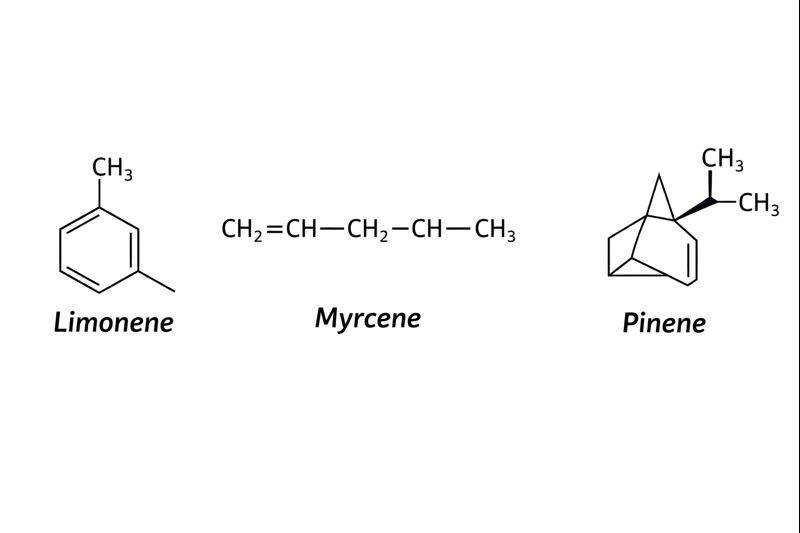
Examples of common terpenes include:
- Limonene – bright lemon and citrus peel
- Myrcene – herbal, resinous, tropical fruit
- Pinene – pine needles and evergreen forest
- Linalool – floral, lavender-like sweetness
- Humulene – woody, earthy, classic “hoppy” character
These compounds are also found in hops, making terpenes essential to modern hop extract, hop additives, and beer flavoring.

Terpenes in Everyday Flavor and Fragrance
Before diving into brewing science, it helps to understand how common terpenes already are in daily life.
Terpenes are responsible for the flavor or aroma of:
- citrus fruits like oranges and lemons
- herbs such as basil, thyme, and rosemary
- lavender and floral essential oils
- pine and conifer trees
- spices like clove and black pepper
Because terpenes offer intense, natural flavor and aroma, they are widely used in food, beverages, perfumes, and aromatherapy products. The same terpene chemistry also plays a major role in hop extract and hop additives for brewing.
Why Terpenes Matter in Beer Production and Beer Flavoring
Beer is known for its complex aroma and layered flavor profile — especially in hop-forward craft beer styles such as IPAs, pale ales, hazy and juicy styles, and dry-hopped lagers.
Malt contributes sweetness and body. Yeast contributes fruity esters or spicy phenols. But the majority of aroma in hop-forward beer comes from hops, and hops express their character through terpenes.
When drinkers describe beer as:
- citrusy
- dank
- piney
- tropical
- floral
- herbal
- spicy
they are really describing differences in hop terpene profiles.
Major Hop Terpenes Responsible for Beer Aroma and Flavor
Myrcene
Myrcene delivers herbal, resinous, and tropical mango-like aromas. It is abundant in many modern aroma hops used in IPAs and contributes heavily to “dank” and juicy character.
Humulene
Humulene offers woody, spicy, and earthy notes. It is closely associated with traditional “hoppy” aroma and works alongside hop acids to shape bitterness perception.
Caryophyllene
Caryophyllene brings peppery and clove-like spice notes commonly found in noble hop varieties and some darker beer styles.
Linalool
Linalool creates floral and citrus blossom aromas and plays a major role in soft, fruity aromatics in hazy IPAs.
Pinene
Pinene produces classic pine resin character, a defining note in West Coast IPAs and hop-forward pale ales.
Each hop strain contains its own unique terpene fingerprint, which is why hop extract derived from Citra®, Mosaic®, Simcoe®, or Cascade will produce noticeably different beer flavoring results.
How Hop Terpenes and Hop Extract Give Beer Its Distinctive Character
Terpenes influence beer in three important ways:
1. Aroma Intensity and Hop Character
Terpenes create explosive citrus, pine, tropical fruit, floral, and resinous aromatics when you raise a beer to your nose.
2. Flavor Perception
Although terpenes are primarily aromatic, smell and taste are closely linked. Fruity terpenes can make beer seem juicier or sweeter without adding sugar.
3. Aftertaste and Mouthfeel
Certain terpenes linger on the palate and contribute to resinous coating, bitterness perception, and herbal or spicy finishes.
Hop Extract, Hop Additives, and Modern Brewing Innovation
Today’s brewers are no longer limited to raw hop cones or pellets. Many now use hop extract and terpene-rich hop additives to achieve precision, efficiency, and consistency.
Benefits of hop extract include:
- stronger aroma with less plant matter
- reduced beer loss due to hop absorption
- lower trub in fermenters
- cleaner and brighter hop expression
- consistent batch-to-batch beer flavoring
- efficient alternatives to heavy dry hopping
These terpene-rich hop concentrates allow brewers to fine-tune beer toward citrus, pine, tropical fruit, floral, or dank notes with greater control than ever before.
Final Thoughts: Terpenes Are the Foundation of Hop Flavor
If malt gives beer body and alcohol provides warmth, terpenes supply its personality. They are the compounds behind IPA aroma, hop-forward beer flavoring, floral lagers, and tropical or citrus craft beer styles.
Exploring hop extract and hop additives means working directly with the aromatic compounds that define modern craft beer.
Interested in Hop Extracts?
We offer precision hop extract products designed to maximize hop terpenes, boost aroma, and reduce beer loss. Contact us for samples or brewing guidance.
Natural Hop Extracts that are up to 5x effective at terpene utilization as dry hopping
✓ Easy to use
✓ TTB & FDA Approved